24 Sep 2018 · Aging science
Presented byEmbracing the circadian rhythm for better health
Satchin Panda is a professor at the Salk Institute and a founding executive member of the Center for Circadian Biology at the University of California, San Diego. Dr. Panda is also the author of a new book, the…
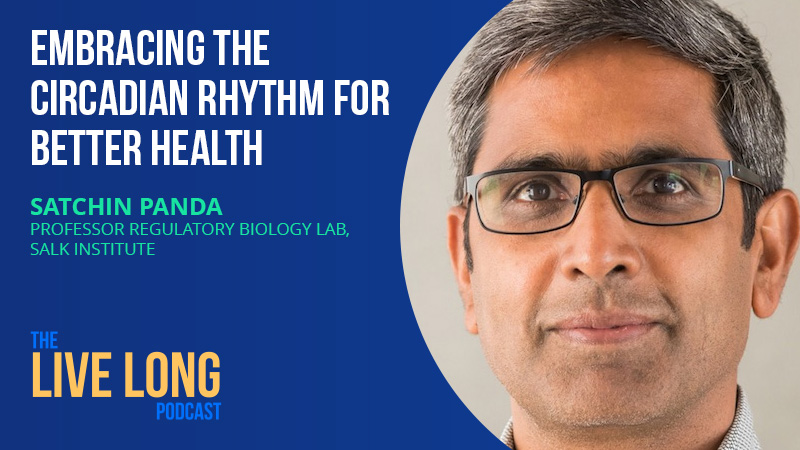
Satchin Panda is a professor at the Salk Institute and a founding executive member of the Center for Circadian Biology at the University of California, San Diego. Dr. Panda is also the author of a new book, the Circadian Code, in which he explains his theory that our overall health and longevity is affected more by when we eat than what we eat. Timing, he says, is everything. Limiting the number of hours during which we consume our meals is pivotal to nurturing the body clock and could help us avoid the chronic diseases of old age, he believes. Dr. Panda’s research is compelling and potentially life-changing. In this LLAMA podcast interview, with Peter Bowes, he explains what it means to adopt a ‘time-restricted eating’ pattern; why choosing to eat in a shorter time window could help us sleep better and be more alert during the day; and how we can all get involved in a research project cataloging the circadian rhythms of thousands of people around the world.
Connect with Prof. Panda: Salk Insitute Website | Panda Lab | My Circadian Clock | Book: The Circadian Code
In the episode we cover:
- How the architectural design of the Salk Institute helps “great minds” work together.
- Exposing the elephant in the room of science and adopting a holistic view of the body.
- Why Dr. Panda’s work would not have been possible with the Salk Institute.
- Cultural encouragement to think out of the box.
- How Dr. Panda’s early years growing up in India helped him look at human life and culture in a different light.
- How the differing lifestyles between his maternal and paternal grandfathers affected their lives.
- Why Dr. Panda did not pursue a career as a plant breeder and instead focused on biological clocks.
- How cultural and geographic differences between North America and India affected Dr. Panda when he moved to the US.
- Early observations about how not living with a natural circadian rhythm after humans.
How the 24-hour availability of food has affected our daily circadian patterns. - Why physical activity affects how we sleep.
- How do we optimize our waking hours so we can use light to our advantage?
- Why is blue light so important?
- When is the ideal time to combine physical activity with light exposure?
- Why we should dim the lights in the 2-3 hours before we go to bed, for better sleep.
- How light is a “therapeutic agent."
- What does melatonin do to us?
- What does it mean to eat within a time restricted period?
- How cramming calories into a 8-12 hour period helps us nurture our circadian clock.
- How caffein affects the daily rhythm of our bodies.
DISCOUNTS & AFFILIATION DISCLOSURES
This podcast is supported by affiliate arrangements with a select number of companies. We have arranged discounts on certain products and receive a small commission on sales. The income helps to cover production costs and ensures that our interviews, sharing information about human longevity, remain free for all to listen. See our SHOP for more details.
- SiPhox Health at home blood testing – get a 20% discount with code LLAMA at checkout
- EnergyBits – 20% discount on algae snacks | Use code LLAMA | Learn more
- Timeline Nutrition – 10% discount on Mitopure, highly pure Urolithin A. Use code LLAMA | Learn more
- Flexbeam – click here for latest offer on wearable red light therapy device | Learn more
- DoNotAge 10% discount on targeted supplementation | Use code LLAMA | Learn more
- Hampton Fitness – Movement & resistance training have long been associated with living a long, healthy life – along with a balanced diet and good sleep. For a 15% discount on essential workout gear use code: llamapodcast15 at checkout
The Live Long podcast, a HealthSpan Media LLC production, shares ideas but does not offer medical advice. If you have health concerns of any kind, or you are considering adopting a new diet or exercise regime, you should consult your doctor.
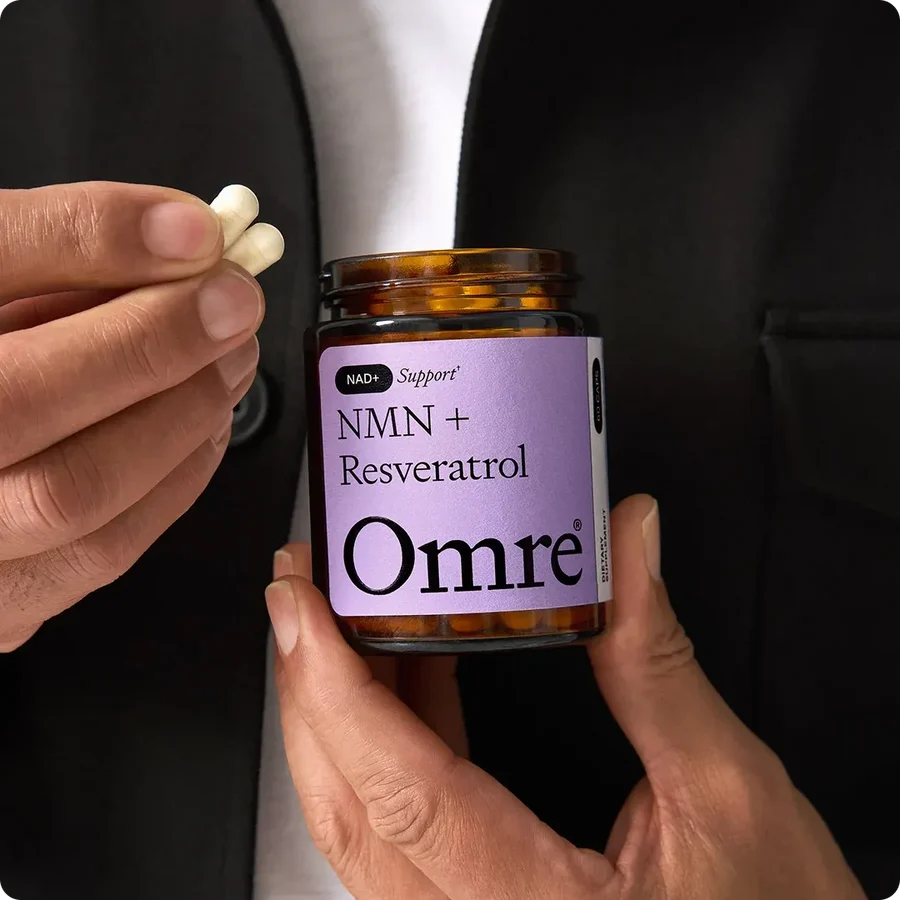
Science you can trust.
Doctor founded. Research backed. Clinically dosed.
15% off with code LIVELONG
Live Long earns a commission on purchases made with code LIVELONG.
Keep watching
All episodes
22 Nov 2026 · Mindfulness
A Killer Rug and a Film Crew in Their 70s, 80s and 90s | Sean Cisterna

15 Nov 2026 · Brain health
Living Well With Bipolar Disorder | Louise Barnett

22 Oct 2026 · Aging science
Aging, Identity and the Freedom to Change | Dana Larocca

11 Oct 2026 · Social connections
Why We Push People Away | Dr. Laura Dabney
Never miss an episode
New conversations and their transcripts, straight to your inbox.