30 Apr 2018 · Aging science
Presented byStudy shows people aging more slowly than two decades ago
We may not have completely mastered aging just yet, but we might be in the process of truly delaying it, according to Dr. Eileen Crimmins. The AARP Professor of Gerentology at the University of Southern California Leonard Davis…

We may not have completely mastered aging just yet, but we might be in the process of truly delaying it, according to Dr. Eileen Crimmins. The AARP Professor of Gerentology at the University of Southern California Leonard Davis School of Gerontology studies health and mortality rates and global aging. After analyzing national health data in the US, Dr. Crimmins and her colleagues concluded something quite inspiring - Americans are biologically younger now than they were 20 years ago. “The biological age has dropped remarkably,” she says. Heart-disease deaths have significantly decreased and cancer rates are beginning to fall. However, there is much to be done if you'd like not just a longer life, but a healthier one. In this LLAMA podcast interview, with Peter Bowes, Dr. Crimmins outlines what lifestyle changes are most likely to have a real, positive impact on the quality and length of your life, and what behaviors likely improve nothing at all.
Connect with Prof. Crimmins: Website | Biography | Curriculum Vitae
In the episode we cover:
- Dr. Crimmins is a demographer specializing in health and mortality, older populations, biological risk and global aging.
- The study was based on an analysis of national health and nutrition data from more than 21,500 Americans, using NHANES (National Health and Nutrition Examination Survey) III and IV
- The study’s lead author is Morgan E. Levine, assistant professor at the Yale Center for Research on Aging.
- The study appeared in the journal Demography on March 6.
- Biologically, Americans look younger now than they did two decades ago. Why is this so?
- Improving life-expectancy doesn't mean improving health-expectancy.
- Eileen says healthcare treatment needs to be preventative, not just reactive.
- What behaviors can we likely attribute to the increase in life expectancy?
- Eileen says medications, like those that control hypertension and cholesterol, are extremely valuable to a person's health. However, preventing these conditions as long as possible is the stronger strategy.
- Do supplements and vitamins make a large difference in the health of a person's life? According to Eileen, on the whole, no, they don’t.
- How helpful are anti-aging products?
- How you can best increase your chances for a long and healthy life. There's no one way to good health.
- America's caloric intake has grown remarkably over the last 100 years, but our bodies and metabolisms have still not yet adapted to this excess in food.
- How countries have differed on eating and satisfaction in the last century.
- How has studying 'anti-aging' affected Eileen's lifestyle and thought process on a healthy life?
DISCOUNTS & AFFILIATION DISCLOSURES
This podcast is supported by affiliate arrangements with a select number of companies. We have arranged discounts on certain products and receive a small commission on sales. The income helps to cover production costs and ensures that our interviews, sharing information about human longevity, remain free for all to listen. See our SHOP for more details.
- SiPhox Health at home blood testing – get a 20% discount with code LLAMA at checkout
- EnergyBits – 20% discount on algae snacks | Use code LLAMA | Learn more
- Timeline Nutrition – 10% discount on Mitopure, highly pure Urolithin A. Use code LLAMA | Learn more
- Flexbeam – click here for latest offer on wearable red light therapy device | Learn more
- DoNotAge 10% discount on targeted supplementation | Use code LLAMA | Learn more
- Hampton Fitness – Movement & resistance training have long been associated with living a long, healthy life – along with a balanced diet and good sleep. For a 15% discount on essential workout gear use code: llamapodcast15 at checkout
The Live Long podcast, a HealthSpan Media LLC production, shares ideas but does not offer medical advice. If you have health concerns of any kind, or you are considering adopting a new diet or exercise regime, you should consult your doctor.
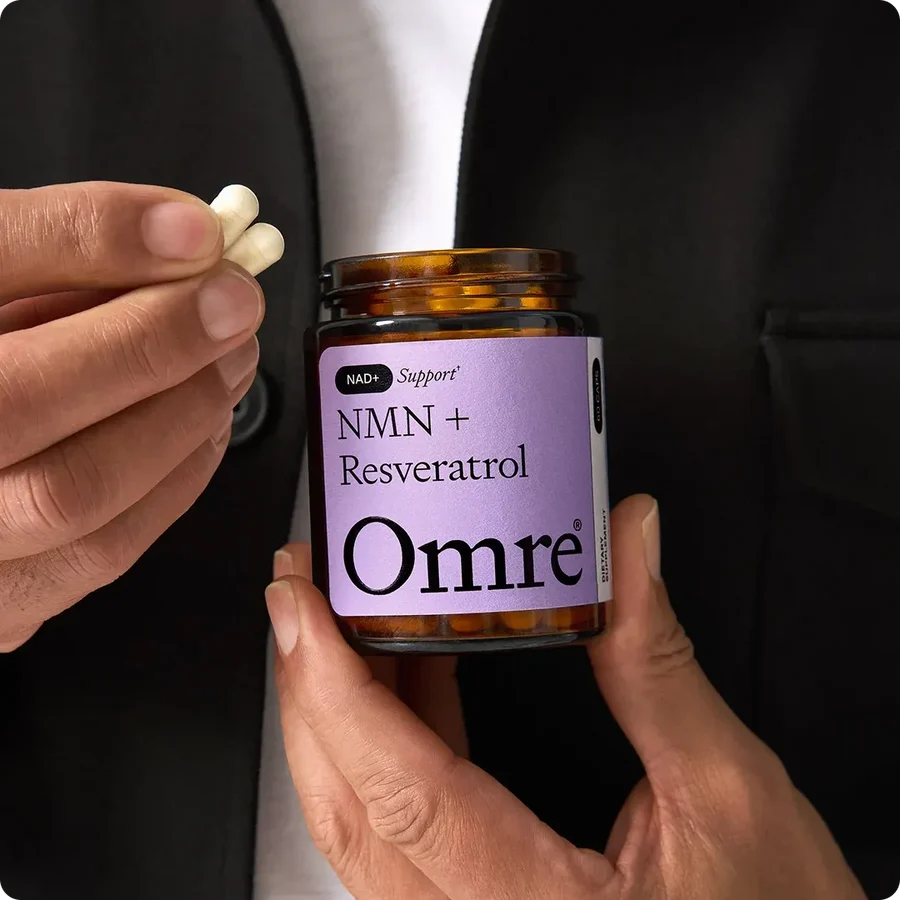
Science you can trust.
Doctor founded. Research backed. Clinically dosed.
15% off with code LIVELONG
Live Long earns a commission on purchases made with code LIVELONG.
Keep watching
All episodes
22 Nov 2026 · Mindfulness
A Killer Rug and a Film Crew in Their 70s, 80s and 90s | Sean Cisterna

15 Nov 2026 · Brain health
Living Well With Bipolar Disorder | Louise Barnett

22 Oct 2026 · Aging science
Aging, Identity and the Freedom to Change | Dana Larocca

11 Oct 2026 · Social connections
Why We Push People Away | Dr. Laura Dabney
Never miss an episode
New conversations and their transcripts, straight to your inbox.